Introduction
In modern buildings, fire safety is not just a legal requirement but a critical necessity for protecting human lives, assets, and infrastructure. One of the most important elements of a strong fire protection strategy is Bảo trì hệ thống PCCC, which refers to the maintenance of fire protection systems. Regular and proper maintenance ensures that all fire safety equipment functions effectively when needed most.
As urban development increases and buildings become more complex, the importance of maintaining fire protection systems continues to grow. Without consistent inspection and servicing, even the most advanced fire safety systems can fail during emergencies, leading to severe consequences.
Understanding Bảo trì hệ thống PCCC
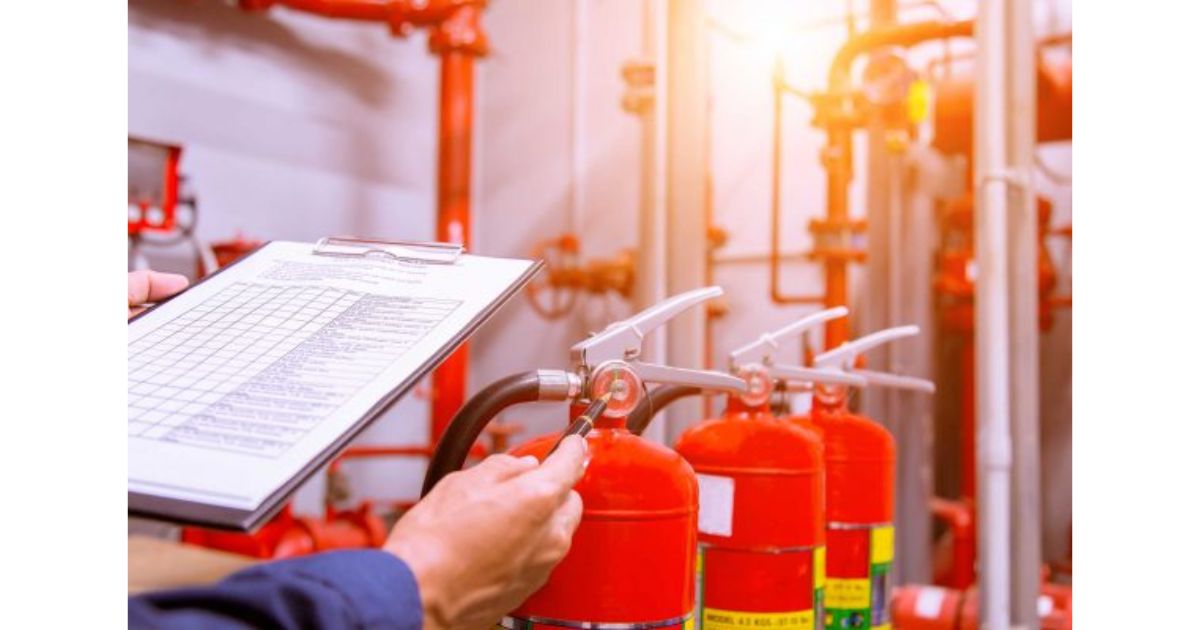
Bảo trì hệ thống PCCC involves the routine inspection, testing, cleaning, repairing, and upgrading of fire protection systems. These systems typically include fire alarms, smoke detectors, sprinkler systems, fire extinguishers, emergency lighting, and fire suppression systems.
The goal of maintenance is simple: ensure that every component of the fire safety system operates at peak performance at all times. Fire incidents often occur unexpectedly, and only well-maintained systems can respond quickly and effectively.
Why Fire Safety Maintenance is Essential
Fire safety systems are not “install and forget” solutions. Over time, dust, wear and tear, environmental factors, and technical faults can reduce their efficiency. Regular Bảo trì hệ thống PCCC ensures:
- Early detection of potential faults
- Immediate response during fire emergencies
- Reduced risk of system failure
- Compliance with safety regulations
- Long-term cost savings by preventing major damage
Without maintenance, even a small malfunction in a fire alarm or sprinkler system can escalate into a life-threatening situation.
How Bảo trì hệ thống PCCC Improves Fire Safety
1. Ensures Early Fire Detection
One of the most important benefits of fire protection system maintenance is ensuring early detection. Smoke detectors and heat sensors must always be sensitive and accurate. Regular servicing removes dust buildup and checks sensor functionality, allowing the system to detect fire in its earliest stages.
Early detection gives occupants more time to evacuate and allows emergency responders to act quickly, significantly reducing casualties and property damage.
2. Guarantees System Reliability in Emergencies
A fire emergency leaves no room for technical failure. Maintenance ensures that all components—alarms, sprinklers, control panels, and backup power systems—are fully operational.
During Bảo trì hệ thống PCCC, technicians test every part of the system to ensure it activates correctly under emergency conditions. This reliability is crucial for minimizing fire spread and protecting lives.
3. Reduces Risk of System Malfunction
Fire protection systems can degrade over time due to environmental exposure, corrosion, or electrical issues. Without maintenance, these problems may go unnoticed until it is too late.
Routine inspections help identify and fix small issues before they become major failures. This proactive approach reduces the overall risk of malfunction and ensures continuous protection.
4. Enhances Fire Suppression Efficiency
Sprinkler systems and fire suppression units must release water or extinguishing agents at the correct pressure and volume. Any blockage, leakage, or pressure imbalance can reduce effectiveness.
Through regular Bảo trì hệ thống PCCC, these systems are cleaned, tested, and recalibrated. This ensures that fire suppression is fast, efficient, and capable of controlling fires before they spread.
5. Supports Safe Evacuation Procedures
Fire safety is not only about extinguishing flames but also about ensuring safe evacuation. Maintenance includes testing emergency lighting, alarm sirens, and evacuation systems.
When these systems are properly maintained, occupants can quickly identify escape routes and exit buildings safely during emergencies. This significantly reduces panic and confusion.
Role of Maintenance in Risk Prevention
Preventing Property Damage
One of the primary goals of fire safety maintenance is reducing property loss. Well-maintained systems can control fires in their early stages, preventing extensive structural damage.
Minimizing Human Risk
The most important aspect of fire safety is protecting human life. Maintenance ensures that alarms and suppression systems function properly, giving people enough time to escape dangerous situations.
Reducing Financial Losses
Fire incidents can lead to massive financial burdens, including repair costs, insurance claims, and business interruptions. Regular maintenance reduces these risks by preventing fire escalation.
Ensuring Legal Compliance
Many building regulations require regular inspection and servicing of fire protection systems. Proper Bảo trì hệ thống PCCC ensures compliance with safety standards, avoiding legal penalties and operational shutdowns.
Key Components Checked During Maintenance
A complete fire protection system maintenance process usually includes:
- Fire alarm system testing and calibration
- Smoke and heat detector cleaning and verification
- Sprinkler system pressure checks and water flow testing
- Fire extinguisher inspection and refilling
- Emergency lighting and exit sign testing
- Control panel diagnostics
- Backup power system testing
Each of these components plays a vital role in ensuring overall fire safety.
Best Practices for Effective Fire System Maintenance
To maximize the benefits of Bảo trì hệ thống PCCC, building owners and facility managers should follow these best practices:
- Schedule regular inspections at fixed intervals
- Keep detailed maintenance records
- Use trained and certified technicians
- Immediately repair any detected faults
- Conduct periodic fire drills for occupants
- Upgrade outdated systems when necessary
These practices ensure that fire protection systems remain reliable and effective throughout their lifecycle.
The Future of Fire Safety Maintenance
With advancements in technology, modern fire protection systems are becoming more intelligent and automated. Smart sensors, IoT-based monitoring, and real-time alerts are improving how maintenance is performed.
Predictive maintenance is also emerging, allowing systems to detect potential failures before they happen. This evolution makes Bảo trì hệ thống PCCC even more efficient and reliable in preventing fire risks.
Conclusion
Bảo trì hệ thống PCCC plays a vital role in improving fire safety and reducing risks in residential, commercial, and industrial buildings. It ensures early fire detection, reliable system performance, efficient suppression, and safe evacuation.
More importantly, regular maintenance protects lives, reduces property damage, and ensures compliance with safety regulations. In a world where fire hazards can occur unexpectedly, consistent maintenance of fire protection systems is not optional—it is essential.
By prioritizing routine inspections and professional servicing, building owners can create safer environments and significantly minimize the risks associated with fire emergencies.